
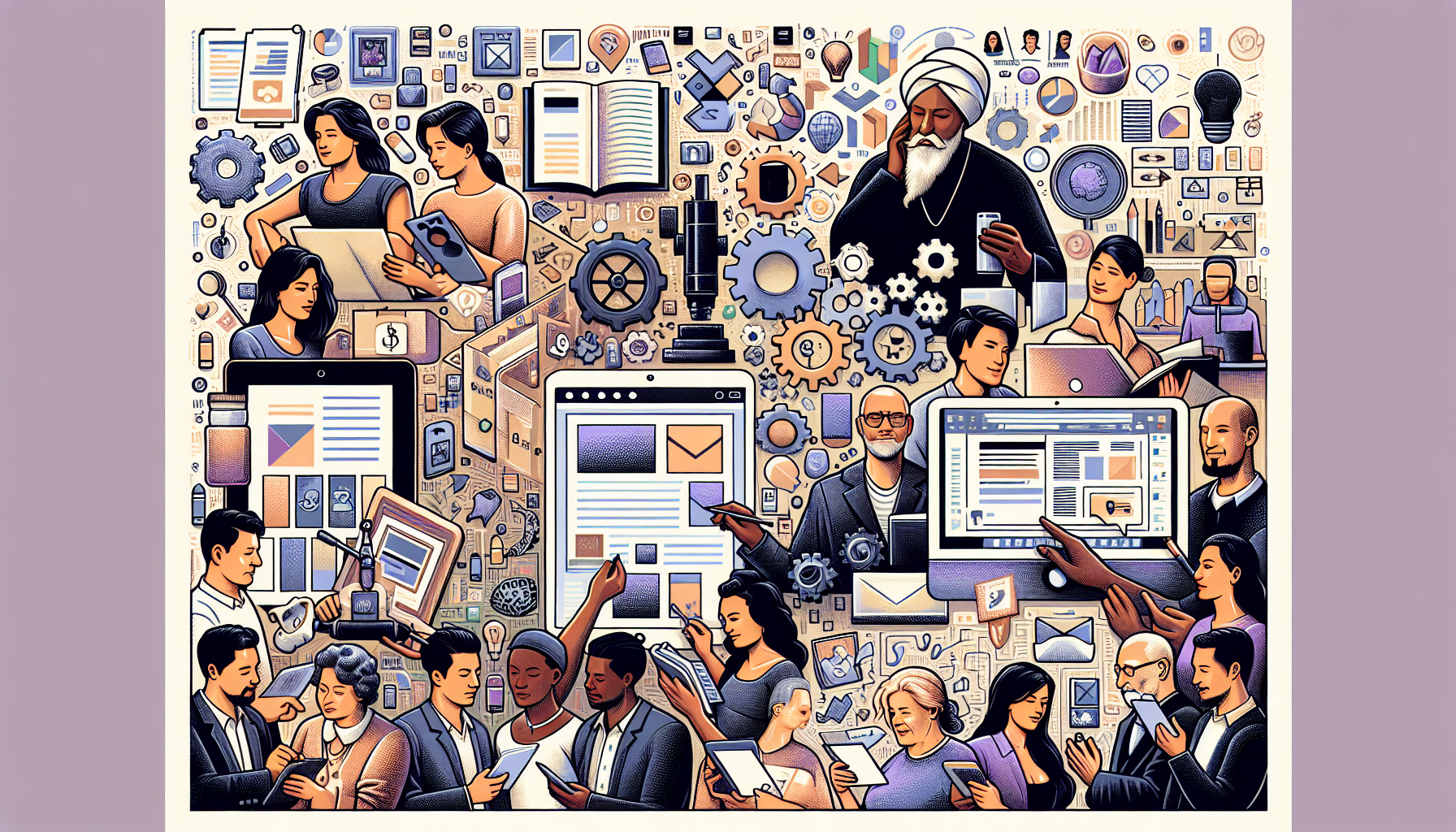
So you’ve heard the term “digital product” thrown around, but what exactly does it mean? Well, in basic terms, a digital product refers to any item or service that can be accessed and consumed electronically. This can include e-books, software programs, online courses, digital art, music downloads, and even mobile applications. Essentially, anything that can be stored, shared, and used digitally falls into the category of a digital product. In today’s digital age, these products have become increasingly popular due to their convenience and accessibility. Whether you’re a creator or a consumer, understanding what constitutes a digital product is essential in navigating the online world.

Definition of a Digital Product
Explanation of Digital Products
A digital product refers to any product or service that exists in a digital format, primarily in the form of computer files or data. These products can be downloaded, accessed online, or delivered electronically. They are intangible and do not have a physical presence, making them distinct from physical products. Digital products can include software, ebooks, music, videos, photography, websites, online courses, digital art, mobile applications, and digital templates, among others.
Examples of Digital Products
To further illustrate the concept of digital products, here are a few examples:
-
Software: Computer programs, applications, or games that can be downloaded and installed on electronic devices. Examples include Photoshop, Microsoft Office, and video editing software.
-
Ebooks: Electronic books that can be read on devices such as e-readers, tablets, or smartphones. These can be fiction or non-fiction books, guides, manuals, or educational materials.
-
Music: Digital music files, such as MP3s or streaming services like Spotify or Apple Music, which allow users to listen to music online or download songs for offline listening.
-
Videos: Digital videos, such as movies, TV shows, documentaries, or online tutorials, that can be streamed or downloaded for viewing on various devices.
-
Photography: Digital photographs or images that can be edited, shared, or printed. These can include professional photography, stock photos, or personal images.
-
Websites and Web Applications: Online platforms, blogs, or web applications that provide services or information. Examples include e-commerce websites, social media platforms, or online banking.
-
Online Courses: Educational materials, tutorials, or workshops that are accessed through the internet. These can cover a wide range of topics, from language learning to professional development.
-
Digital Art: Artwork, illustrations, or graphic designs that are created digitally and can be shared or sold online. These can range from digital paintings to 3D models.
-
Mobile Applications: Apps designed for smartphones or tablets, which provide various functionalities or entertainment. Popular examples include gaming apps, social media apps, or productivity tools.
-
Digital Templates: Pre-designed templates or files that can be used as a starting point for creating documents, presentations, websites, or graphic designs. These can save time and effort for users.
Types of Digital Products
Software
Software products include computer programs, applications, or games that are designed to perform specific functions or tasks on electronic devices. Examples of software include productivity tools like Microsoft Office, graphic design software like Photoshop, or video editing software like Final Cut Pro.
Ebooks
Ebooks are electronic versions of books that can be read on e-readers, tablets, or smartphones. They offer the convenience of carrying a library of books in a single device and can be easily accessed and read anytime, anywhere. Ebooks can cover various genres, from fiction to non-fiction, and can be self-published or released by traditional publishing houses.
Music
Digital music is a popular form of digital product, with the rise of streaming services and online platforms. Users can access a vast library of songs, albums, or playlists and listen to them online or download them for offline listening. Music can be purchased through digital storefronts like iTunes or subscribed to through streaming platforms like Spotify.
Videos
Digital videos have become increasingly popular, with the rise of video-sharing platforms like YouTube and streaming services like Netflix. Users can watch a wide range of videos, including movies, TV shows, documentaries, tutorials, or user-generated content. Videos can be streamed online or downloaded for offline viewing.
Photography
Digital photography allows individuals to capture, edit, and share high-quality photos using digital cameras or smartphones. These digital images can be easily stored, shared on social media platforms, printed, or used for professional purposes. Stock photography is another popular form of digital product in the photography industry.
Websites and Web Applications
Websites and web applications are digital products that provide services, information, or a platform for interaction. Websites can range from personal blogs to e-commerce platforms, news websites, or corporate websites. Web applications offer more interactive functionalities and can include online banking, social media platforms, or productivity tools.
Online Courses
Digital products in the form of online courses have seen significant growth in recent years. Online platforms provide educational materials, tutorials, or workshops on various subjects. These courses are accessible through the internet, allowing individuals to learn at their own pace and from anywhere in the world.
Digital Art
Digital art refers to artwork, illustrations, or graphic designs that are created digitally using tools and software. These digital creations can be shared online, sold as prints, or used for commercial purposes. Digital art has opened up new possibilities for artists, enabling them to explore different mediums and techniques.
Mobile Applications
Mobile applications, or apps, are software designed specifically for use on smartphones or tablets. These apps offer a range of functionalities, from social media platforms to gaming, productivity tools, or lifestyle apps. Mobile applications can be downloaded from app stores, and some may have optional in-app purchases.
Digital Templates
Digital templates are pre-designed files or templates that can be customized and used as a starting point for various purposes. They can include document templates, presentation templates, website templates, or graphic design templates. Digital templates can save time and effort for individuals or businesses by providing a professional and easily customizable foundation.
Characteristics of Digital Products
Intangible
One of the key characteristics of digital products is that they are intangible. Unlike physical products that can be held or touched, digital products exist in a digital format, primarily as computer files or data. This intangibility allows for easy distribution, as they can be easily transmitted electronically.
Easily Reproducible
Digital products can be reproduced easily and without degradation in quality. Once a digital product is created, it can be replicated and distributed countless times without incurring significant costs or loss of quality. This characteristic enables scalability and unlimited availability of digital products.
Instantly Accessible
Being in a digital format, digital products can be accessed instantly once they are acquired or purchased. Users can download or stream the product immediately, without the need for physical delivery or waiting periods. This instant accessibility contributes to the convenience and user experience of digital products.
No Physical Inventory
Since digital products do not have a physical presence, they do not require physical inventory or storage space. Unlike physical products that need to be manufactured, stored, and shipped, digital products can be stored on servers or cloud storage, reducing costs associated with physical inventory management.
Scalability
Digital products are highly scalable, meaning they can be easily scaled up or down to accommodate varying levels of demand. Whether it’s accommodating thousands of downloads or simultaneous users, digital products can be expanded or contracted relatively quickly and without the need for significant physical resources.
Lower Distribution Costs
The distribution of digital products comes with significantly lower costs compared to physical products. There are no costs associated with manufacturing, packaging, shipping, or warehousing. Digital products can be delivered online, reducing or eliminating the need for physical distribution channels and associated expenses.
Customization
Digital products offer a high degree of customization. They can be tailored to the specific needs or preferences of individual users. Customization may include features like personalized settings, user interfaces, or the ability to choose content or functionalities. This flexibility allows users to have a more personalized and tailored experience with the digital product.
Updateability
Digital products can be easily updated and improved by the creators. Updates can include bug fixes, feature enhancements, or the addition of new content. Users can benefit from these updates without the need to purchase a new version or physically replace the product. This ensures that digital products remain up-to-date and evolve with changing technology or user needs.
Monetization Options
Digital products offer a range of monetization options for creators or businesses. These can include one-time purchase fees, subscriptions, pay-per-use models, or in-app purchases. Digital products can also be monetized through advertising or sponsorship arrangements, generating revenue for the creators or businesses.
Global Reach
One of the significant advantages of digital products is their global reach. Digital products can be accessed and used by individuals from anywhere in the world, as long as they have an internet connection or the necessary devices. This global accessibility opens up new markets and customer bases for digital product creators.
Legal Considerations for Digital Products
Intellectual Property Rights
Intellectual property rights refer to the legal protections granted to individuals or businesses for their creative works or inventions. These rights can include copyrights, trademarks, patents, or trade secrets. It is essential for creators of digital products to understand and protect their intellectual property to prevent unauthorized use or infringement.
Copyright
Copyright is one of the key legal considerations for digital products. It grants creators exclusive rights to their original works, such as music, videos, software, or art. Digital products are often protected by copyright laws, which prohibit unauthorized copying, distribution, or public display of the work. Creators should consider registering their copyrights to strengthen their legal protection.
Licensing
Licensing is a legal mechanism through which rights to a digital product can be granted to others for specific purposes or under certain conditions. Creators can choose to license their digital products to individuals, businesses, or organizations, allowing them to use, distribute, or modify the product according to the terms of the license agreement.
Digital Rights Management (DRM)
Digital Rights Management (DRM) is a set of technologies and strategies used to protect digital products from unauthorized copying or use. DRM systems can control access to digital products, restrict copying or sharing, or enforce usage limitations. Creators may choose to implement DRM measures to safeguard their digital products from piracy or copyright infringement.
Piracy and Copyright Infringement
Piracy and copyright infringement are significant challenges faced by creators of digital products. Piracy refers to the unauthorized copying, distribution, or use of digital products without the permission of the copyright holder. Creators should be vigilant in protecting their digital products from piracy and take legal actions against copyright infringement when necessary.
Digital Product Marketing Strategies
Target Market Analysis
Before marketing a digital product, it is crucial to conduct a target market analysis to understand the potential customer base. This analysis involves identifying the demographics, interests, behaviors, and needs of the target audience. By understanding the target market, marketing efforts can be tailored to effectively reach and engage potential customers.
Content Marketing
Content marketing involves creating and distributing valuable, relevant, and consistent content to attract and engage a target audience. For digital products, content marketing can take various forms, such as blog posts, articles, videos, podcasts, or social media content. The goal is to provide valuable information, establish expertise, and build trust with potential customers.
Influencer Marketing
Influencer marketing leverages the influence and reach of individuals who have a significant online following or expertise in a particular niche. Collaborating with influencers can help promote digital products to their audience and generate brand awareness. Influencers can create content, provide reviews or endorsements, or participate in sponsored campaigns to promote the digital product.
Email Marketing
Email marketing involves using email communication to promote digital products, build relationships with customers, and drive sales. Email campaigns can include newsletters, personalized offers, product updates, or exclusive content. It is essential to build an email list of interested customers and use targeted, engaging content to nurture relationships and encourage conversions.
Social Media Marketing
Social media marketing utilizes social media platforms to promote digital products, engage with customers, and build brand awareness. Creatively designed posts, videos, or ads can be used to reach a larger audience and drive traffic to the digital product. Social media platforms also provide opportunities for customer interaction, feedback, and user-generated content.
Paid Advertising
Paid advertising encompasses various strategies, such as search engine advertising, display ads, or social media ads. Paid advertising allows digital product creators to target specific audiences, increase visibility, and drive traffic to their product. It is important to optimize ad campaigns, monitor performance, and adjust strategies to maximize the return on investment.
Affiliate Marketing
Affiliate marketing involves partnering with individuals or businesses who promote a digital product in exchange for a commission on each sale they generate. Affiliates can create content, recommend the product to their audience, or place referral links on their websites or social media platforms. This marketing strategy can increase product visibility and reach a broader customer base.
Search Engine Optimization (SEO)
Search Engine Optimization (SEO) aims to improve the visibility and ranking of a digital product in search engine results. By optimizing website content, keywords, metadata, and backlinks, digital product creators can increase organic traffic and attract potential customers. SEO strategies should focus on providing valuable content and meeting the needs of the target audience.
Conversion Rate Optimization (CRO)
Conversion Rate Optimization (CRO) refers to the process of improving the percentage of website visitors who take a desired action, such as making a purchase or signing up for a newsletter. CRO involves analyzing user behavior, optimizing website design, landing pages, call-to-action buttons, or checkout processes to increase conversions and maximize revenue.
Customer Retention Strategies
Acquiring new customers is important, but retaining loyal customers is equally essential. Customer retention strategies aim to nurture relationships with existing customers, encourage repeat purchases, and foster brand loyalty. This can be achieved through personalized offers, loyalty programs, exclusive content, exceptional customer service, or continuous product updates and improvements.
Benefits of Selling Digital Products
Low Production Costs
Compared to physical products, digital products generally have lower production costs. Once the initial development or creation is done, the duplication or reproduction of digital products can be done at a minimal cost. There is no need for manufacturing, packaging, or shipping, resulting in higher profit margins for the creators.
No Shipping or Inventory
Digital products eliminate the need for physical shipping or inventory management. Unlike physical products that require packaging, warehousing, and shipping, digital products can be delivered electronically. This saves time, reduces costs, and avoids the logistical challenges associated with physical distribution.
Automated Sales
Digital products can be set up for automated sales, allowing creators to generate revenue even when they are not actively involved in the sales process. Once the product is created and made available, customers can purchase and access the product without direct interaction with the creator. This automation allows for passive income generation.
Unlimited Availability
Digital products have the advantage of unlimited availability. Once a digital product is created, it can be replicated and distributed indefinitely without incurring costs or delays. The product can be accessed or downloaded by users at any time, providing convenience and accessibility for both the creator and the customers.
Global Customer Reach
Digital products have the potential to reach a global customer base. With the widespread use of the internet and digital devices, creators can market and sell their products to individuals from different parts of the world. This global reach opens up new markets, increases customer diversity, and expands revenue opportunities for digital product creators.
Sustainable Revenue Stream
Selling digital products can provide a sustainable revenue stream. Once a digital product is created, it can continue to generate income over an extended period without significant additional costs. By continuously attracting new customers and retaining existing ones, digital product creators can establish a steady and predictable revenue stream.
Easy Updates and Upgrades
Digital products can be easily updated or upgraded to meet changing customer needs or technological advancements. Creators can release new versions, add features, fix bugs, or improve the product based on customer feedback. These updates can enhance customer satisfaction, maintain relevance, and encourage repeat purchases.
Flexible Pricing Models
Digital products offer flexibility in pricing models. Creators can choose from various pricing strategies, such as one-time purchase fees, subscriptions, pay-per-use models, or in-app purchases. This flexibility allows creators to adapt their pricing strategies to target different market segments, maximize revenue, or experiment with pricing options.
Analytics and Data Tracking
With digital products, creators have the advantage of analytics and data tracking. Through the use of tracking tools and software, creators can gather valuable insights about customer behavior, preferences, and purchasing patterns. This data can be used to improve marketing strategies, optimize the product, or make informed business decisions.
Ability to Scale
Digital products have the inherent ability to scale. As the demand for a digital product increases, it can be easily replicated, distributed to more customers, and scaled up to accommodate higher sales volume. This scalability allows creators to meet growing demand without the need for significant additional resources or infrastructure.
Challenges of Selling Digital Products
Copyright Infringement and Piracy
One of the significant challenges in selling digital products is the risk of copyright infringement and piracy. Digital products are vulnerable to unauthorized copying, distribution, or use, which can result in revenue loss and damage to the creator’s reputation. Creators must implement legal protections, such as copyright registration and DRM, and actively monitor and enforce their rights to prevent piracy.
Digital Security and Privacy Concerns
Digital products may face security and privacy concerns. With the increasing prevalence of cybercrime and data breaches, customers may be reluctant to trust digital products that store or process their personal information. Creators need to prioritize security measures, implement robust encryption, safeguard user data, and provide transparency regarding data handling practices.
Competition
The digital product market is highly competitive, with numerous creators vying for customer attention and sales. Creators must distinguish their products from competitors, offer unique value propositions, or target niche markets to stand out. Differentiating factors can include product quality, features, customer service, pricing, or innovative functionalities.
Technology Compatibility
Digital products may face challenges related to technology compatibility. With the rapid advancement of technology, digital products must be compatible with a variety of devices, operating systems, or software versions. Creators need to ensure that their products work seamlessly across different platforms and devices to provide a positive user experience.
Client Education and Support
Some digital products may require additional client education or support due to their complexities or unique functionalities. Creators must provide sufficient resources, tutorials, documentation, or customer support channels to assist users in understanding and effectively using the product. This can enhance customer satisfaction and reduce the risk of negative reviews or returns.
Payment Processing
Payment processing can pose challenges for selling digital products. Creators need to select suitable payment gateways or processors that offer secure and convenient payment options for customers. It is important to support a wide range of payment methods and ensure the checkout process is user-friendly and frictionless to optimize conversion rates.
Marketing and Promotion
Marketing and promoting digital products require effective strategies and tactics to cut through the noise and reach the target audience. Creators need to invest in marketing efforts, whether through content marketing, social media advertising, or partnerships with influencers. Understanding the target market, creating compelling marketing messages, and optimizing marketing campaigns are key to success.
Managing Customer Feedback
Managing customer feedback is crucial in improving digital products and maintaining customer satisfaction. Creators need to actively listen to customer feedback, address concerns, and make necessary improvements or updates based on user input. Establishing effective feedback channels and actively engaging with customers can help build trust and loyalty.
Counterfeit Products
Counterfeit digital products can be a challenge, particularly in markets where piracy is prevalent. Unauthorized copies or counterfeit versions of digital products can undermine the reputation of the creator and result in revenue loss. Creators must remain vigilant, take legal actions against counterfeiters, and educate customers about the risks of purchasing counterfeit products.
Fear of Copying or Stealing
Creators of digital products may face concerns about their work being copied, stolen, or imitated by competitors or individuals. This fear can hinder innovation and limit creativity. While legal protections can provide some level of security, creators must balance the need for protection with the desire to share their work and engage with users.
Future Trends in Digital Products
Increased Personalization
Personalization is expected to be a major trend in the future of digital products. Customizing digital products to cater to individual preferences, needs, or behaviors can enhance user experiences and drive customer loyalty. Personalization can include personalized recommendations, settings, or interfaces that adapt to the user’s preferences.
Virtual Reality (VR) and Augmented Reality (AR)
As virtual reality (VR) and augmented reality (AR) technologies continue to evolve, they present new opportunities for digital products. VR and AR can provide immersive experiences, enhance product visualizations, or create interactive storytelling environments. These technologies have the potential to revolutionize industries such as gaming, education, tourism, and design.
Blockchain and Cryptocurrency Integration
Blockchain technology and cryptocurrencies are gaining traction in various industries. In the future, digital products may integrate blockchain technology for enhanced security, transparency, and decentralization. Cryptocurrencies may also be used for transactions within digital product ecosystems, providing alternative payment options or facilitating peer-to-peer interactions.
Artificial Intelligence (AI) and Machine Learning (ML)
Artificial intelligence (AI) and machine learning (ML) technologies have the potential to shape the future of digital products. AI and ML can enable advanced functionalities, automation, predictive analytics, or personalized recommendations. These technologies can enhance user experiences, streamline processes, and improve the efficiency of digital products.
Internet of Things (IoT)
The Internet of Things (IoT) is a network of interconnected physical devices that can communicate and exchange data. IoT has the potential to integrate with digital products, enabling seamless interactions between devices and accessing product functionalities remotely. IoT integration can create new opportunities for automation, convenience, and connectivity in digital products.
Subscription-based Models
Subscription-based models are expected to continue growing in popularity for digital products. Rather than one-time purchases, customers can subscribe to access digital products, services, or content on an ongoing basis. Subscriptions provide a sustainable revenue stream and encourage customer loyalty and engagement. They also allow for continuous updates, new features, or additional content to be delivered to subscribers.
Digital Product Marketplaces
Digital product marketplaces, where creators can sell their products in a centralized platform, are likely to become more prevalent. These marketplaces bring together a variety of digital products, making it easier for customers to discover and access a wide range of offerings. Creators can benefit from the increased visibility, customer base, and simplified selling process provided by these marketplaces.
Improved Digital Security Measures
As digital threats and cybersecurity concerns continue to evolve, the future of digital products will likely see improved security measures. Creators will need to prioritize the implementation of robust encryption, secure authentication, data protection, and privacy standards to build trust with customers and safeguard their digital products.
Sustainability and Environmental Impact
Sustainability and environmental impact will become increasingly important considerations for digital products. As the world becomes more conscious of the ecological footprint and energy consumption associated with digital technologies, creators will need to explore environmentally-friendly practices, such as using renewable energy sources, optimizing energy efficiency, or reducing electronic waste.
Conclusion
Digital products have become an integral part of our daily lives, offering convenience, accessibility, and a wide range of functionalities. From software and ebooks to music, videos, and mobile applications, digital products continue to evolve and shape industries in various ways.
Understanding the unique characteristics of digital products, legal considerations, marketing strategies, benefits, challenges, and future trends is crucial for creators, businesses, and consumers alike. By embracing the opportunities and overcoming the challenges, the future of digital products promises exciting possibilities and innovations.