
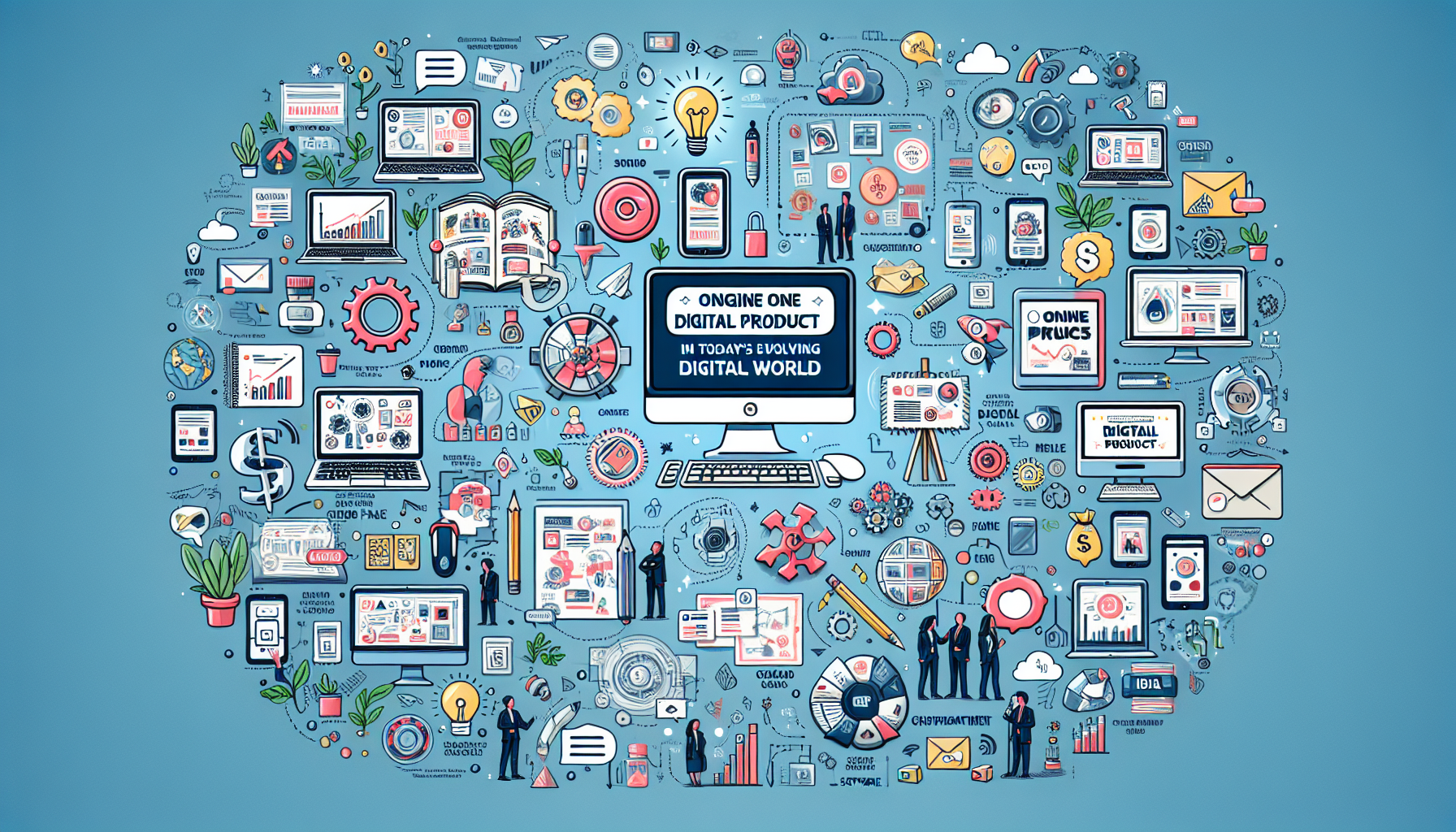
Imagine a world where you can instantly access countless resources, entertainment, and tools without leaving the comfort of your home. This is the amazing power of online digital products. From e-books to streaming services, these dynamic creations have revolutionized the way we learn, entertain ourselves, and communicate with one another. Whether you’re a tech-savvy individual or simply curious about this digital revolution, let’s explore what online digital products are all about.
1. Definition of Online Digital Product
1.1 Overview
An online digital product refers to any item or content that is created and distributed electronically through the internet. Unlike physical products, which require manufacturing and shipping, online digital products can be instantly accessed and delivered to consumers through digital platforms such as websites, apps, or email. These products come in various formats, including e-books, software applications, online courses, digital artwork, and stock photography, among others. In recent years, the popularity of online digital products has grown significantly, as more people seek the convenience and accessibility they offer.
1.2 Types of Online Digital Products
There are numerous types of online digital products available in the market. These can vary widely depending on the industry and the needs of the target audience. Some common types of online digital products include:
-
E-Books: These are electronic versions of traditional books that can be read on e-book readers, tablets, or smartphones. They provide the convenience of carrying multiple books in a single device and are often more affordable than physical copies.
-
Software Applications: Software applications, or apps, are programs that run on various platforms such as computers, smartphones, or tablets. They serve a wide range of purposes, from productivity tools to entertainment apps.
-
Online Courses: Online courses have gained popularity as a convenient way to acquire knowledge and skills. They provide flexible learning options and can cover a wide range of topics, from academic subjects to specialized skills.
-
Digital Artwork: Digital artwork refers to visual creations that are created and distributed electronically. This includes illustrations, graphic designs, animations, and digital paintings. Digital artwork can be easily shared, printed, or used in various digital media.
-
Stock Photography: Stock photography refers to professionally taken photographs that are licensed for specific uses. They are often used by businesses, publishers, and designers for marketing materials, websites, or creative projects.
These are just a few examples of the diverse range of online digital products available. The digital nature of these products allows for easy distribution and accessibility, making them appealing to both consumers and content creators.
2. Benefits of Online Digital Products
2.1 Cost-effective
One of the key advantages of online digital products is their cost-effectiveness. Unlike physical products, which require manufacturing, inventory management, and shipping costs, digital products can be created and distributed at a fraction of the cost. There are minimal production costs involved, as the content can be created and delivered electronically. This makes it easier for small businesses or independent creators to enter the market without a significant financial investment.
2.2 Easy Distribution
Online digital products can be distributed instantly to customers anywhere in the world. With the rise of digital platforms and e-commerce websites, the process of selling and delivering these products has become seamless. Once a customer makes a purchase, they can access the product immediately, eliminating the need for physical shipping or waiting times. This ease of distribution benefits both the content creators and consumers, as it allows for quick transactions and instant access to the desired content.
2.3 Global Reach
Thanks to the internet, online digital products have a global reach. Content creators can market and sell their products to customers around the world, breaking down geographical barriers. This opens up new opportunities for businesses and creators to reach larger audiences and expand their customer base. By targeting specific niches or catering to international markets, online digital products have the potential for significant growth and increased revenue.
2.4 Scalability
Online digital products offer scalability advantages compared to physical products. With physical products, scaling requires increased production, storage, and distribution costs. However, digital products can be easily duplicated and delivered to an unlimited number of customers without any additional costs. This scalability allows content creators to leverage their existing resources and infrastructure to reach a larger audience, ultimately increasing their revenue potential.
2.5 Enhanced User Experience
Online digital products often come with features and enhancements that improve the user experience. For example, e-books can have adjustable font sizes, bookmarking options, and search functionality. Software applications can receive regular updates and bug fixes, ensuring a smooth user experience. Online courses can include interactive quizzes, video lectures, and discussion boards. These added features enhance the overall value and satisfaction of the product, providing customers with a more fulfilling experience.
3. Examples of Online Digital Products
3.1 E-Books
E-books have revolutionized the publishing industry, allowing authors to distribute their work digitally. With the popularity of e-readers, tablets, and smartphones, e-books have become a preferred format for reading. They offer convenience, portability, and the ability to carry multiple books in a single device. From fiction novels to educational textbooks, e-books cover a wide range of genres and cater to various interests.
3.2 Software Applications
Software applications, or apps, are a ubiquitous form of online digital products. They can be found in various categories, such as social media, productivity, gaming, and entertainment. Apps provide users with a wide range of functionalities, from connecting with friends on social platforms to managing personal finances. The app market is diverse, catering to different operating systems and devices, including smartphones, tablets, and computers.
3.3 Online Courses
Online courses have gained popularity as a convenient and flexible way to learn new skills or acquire knowledge. They cover a wide range of subjects, from academic courses to specialized skills training. Leading educational platforms offer online courses taught by experts in their respective fields. These courses often include video lectures, interactive assignments, quizzes, and discussion forums, providing a comprehensive learning experience.
3.4 Digital Artwork
Digital artwork encompasses various forms of visual content created and distributed electronically. This includes illustrations, graphic designs, animations, and digital paintings. Digital artists use specialized software and tools to create stunning visual artworks that can be shared, printed, or used in various digital media. With the rise of online platforms and marketplaces, digital artists can sell their artwork directly to individuals or businesses.
3.5 Stock Photography
Stock photography refers to professionally taken photographs that are licensed for specific uses. These high-quality images can be used by businesses, publishers, designers, or individuals for marketing materials, websites, or creative projects. Stock photography platforms provide a vast library of images on different topics and themes, allowing users to find the perfect visuals for their specific needs.
These examples demonstrate the wide variety of online digital products available in the market. Each product type offers unique benefits and caters to different needs and interests. Content creators have the opportunity to tap into various niches and industries to create and sell online digital products that resonate with their target audience.
4. Key Considerations for Creating Online Digital Products
4.1 Identify Target Audience
Before creating an online digital product, it is crucial to identify the target audience. Understanding the specific needs, preferences, and demographics of the target audience helps in tailoring the product to meet their expectations. Conducting market research, surveys, or analyzing competitor products can provide insights into the target audience’s interests and preferences, allowing content creators to create products that resonate with their potential customers.
4.2 Determine the Purpose
It is important to determine the purpose of the online digital product. Whether it is to educate, entertain, solve a problem, or provide a service, having a clear purpose helps in shaping the content and features of the product. The purpose should align with the target audience’s needs and provide value that differentiates the product from competing offerings.
4.3 Conduct Market Research
Market research is essential for understanding the competitive landscape, identifying market trends, and validating the demand for the proposed online digital product. This research involves analyzing competitors, identifying gaps or opportunities in the market, and gathering insights from potential customers. Market research helps content creators make informed decisions about product features, pricing, and marketing strategies.
4.4 Choose the Right Platform
Choosing the right platform for distributing and selling online digital products is critical for success. Consider factors such as the platform’s user base, reach, pricing structure, and ease of use. Platforms like Amazon Kindle Direct Publishing, Udemy, or Shopify offer various features and benefits for different types of digital products. Selecting the platform that aligns with the target audience and product type ensures maximum visibility and accessibility for potential customers.
4.5 Develop Effective Marketing Strategies
Even the best online digital products require effective marketing strategies to gain visibility and attract customers. Developing a marketing plan that includes elements like search engine optimization (SEO), social media marketing, content marketing, and email campaigns can help in reaching the target audience and generating interest in the product. Leveraging online advertising platforms, influencer collaborations, and partnerships can also be effective marketing strategies to promote online digital products.
5. Strategies for Selling Online Digital Products
5.1 Set Competitive Pricing
Pricing is a crucial factor in selling online digital products. Research the market to determine the appropriate pricing strategy that considers the perceived value of the product, competitor pricing, and target audience’s affordability. Pricing too high may deter potential customers, while pricing too low may undervalue the product and impact profitability. Experimenting with pricing models, such as one-time purchases, subscriptions, or tiered pricing, can help find the optimal pricing that balances customer acquisition and revenue goals.
5.2 Provide Product Demos and Trials
Offering product demos or trials allows potential customers to experience the value of the online digital product before making a purchase decision. Demos can be in the form of free samples, limited-time trials, or preview chapters. Providing a taste of the product’s content, features, or benefits builds trust, increases conversions, and reduces buyer hesitation.
5.3 Leverage Social Media Marketing
Social media platforms are powerful tools for promoting and selling online digital products. Create a presence on platforms that align with the target audience’s preferences, such as Facebook, Instagram, Twitter, or LinkedIn. Share engaging content, interact with followers, and leverage social media advertising to reach a wider audience. Social media platforms also provide opportunities for user-generated content and customer testimonials, which can help in building credibility and attracting potential customers.
5.4 Collaborate with Influencers
Collaborating with influencers or industry experts can be a highly effective strategy to promote online digital products. Influencers have established followings and authority in specific niches, enabling them to reach a targeted audience. Partnering with influencers for product reviews, endorsements, sponsored content, or joint promotions can significantly increase product visibility, credibility, and conversions.
5.5 Offer Customer Support
Providing excellent customer support is essential for building customer loyalty and ensuring customer satisfaction. Offer various support channels, such as email, live chat, or phone support, to address any queries, technical issues, or concerns. Promptly responding to customer inquiries and providing helpful solutions builds trust, enhances the customer experience, and fosters positive reviews and referrals.
6. Challenges of Selling Online Digital Products
6.1 Piracy and Copyright Infringement
One of the main challenges of selling online digital products is the risk of piracy and copyright infringement. Digital products can be easily replicated and distributed without permission, leading to lost revenue and unauthorized use of intellectual property. Implementing digital rights management (DRM) solutions, using watermarks, or offering secure download platforms can help mitigate the risk of piracy.
6.2 Maintaining Security
Ensuring the security of online digital products is crucial for protecting customers’ sensitive information and maintaining trust. Implementing robust security measures, such as SSL encryption, secure payment gateways, and secure user authentication, helps safeguard against data breaches, unauthorized access, and cyber threats. Regularly updating software applications, websites, and platforms also helps in addressing vulnerabilities and maintaining security standards.
6.3 Technological Obsolescence
The rapidly changing technological landscape poses a challenge for content creators selling online digital products. As technology advances, certain formats or platforms may become outdated, potentially rendering the digital product incompatible or less accessible for customers. Staying updated with emerging technologies, monitoring market trends, and regularly updating and optimizing digital products are necessary to adapt to technological changes and ensure longevity and relevance.
7. Common Misconceptions about Online Digital Products
7.1 Online Digital Products are Easy to Create
One common misconception about online digital products is that they are easy to create. While digital products offer a streamlined creation process compared to physical products, they still require significant time, effort, and expertise. Content creators need to invest in research, development, content creation, and production to create high-quality digital products that meet customer expectations.
7.2 Online Digital Products Require Minimal Effort to Sell
Another misconception is that online digital products require minimal effort to sell. Selling digital products involves various marketing strategies, customer support, continuous product updates, and staying abreast of market trends. It requires consistent effort and dedication to build brand awareness, attract customers, and maintain product relevance in a competitive digital marketplace.
7.3 Online Digital Products have No Production Costs
While online digital products have lower production costs compared to physical products, they are not completely without costs. Content creators need to invest in quality equipment, software licenses, and potentially hire professionals for content creation or development. Additionally, there may be ongoing costs for hosting platforms, website maintenance, or marketing activities. Understanding and budgeting for these production costs are necessary for long-term sustainability and profitability.
8. How to Start Selling Online Digital Products
8.1 Identify a Profitable Niche
To start selling online digital products, it is essential to identify a profitable niche. Research market trends, customer demands, and competition to find areas that align with your expertise, passion, and target audience’s needs. Niche products have the advantage of targeting specific audiences, reducing competition, and creating differentiation.
8.2 Create or Acquire the Product
Once the niche is identified, create or acquire the online digital product. If creating the product yourself, ensure it aligns with the niche and offers unique value to potential customers. Alternatively, consider acquiring the rights to existing products or collaborating with experts in the field. The product should be of high quality, provide a positive user experience, and cater to the target audience’s preferences.
8.3 Set Up an E-commerce Platform
To sell online digital products, set up an e-commerce platform that supports product listing, payment processing, and digital content delivery. Choose a platform that is user-friendly, secure, and offers features suited to your product type. Platforms like Shopify, WooCommerce, or Gumroad provide customizable options and integration capabilities.
8.4 Market and Promote the Product
Marketing and promotion are crucial steps in selling online digital products. Develop a marketing strategy that includes content creation, search engine optimization (SEO), social media marketing, email campaigns, and collaborations with influencers or industry experts. Leverage digital marketing channels to reach the target audience, build brand awareness, and generate interest in the product.
8.5 Track and Optimize Performance
Continuously track and analyze the performance of the online digital product to identify areas for improvement and optimize sales. Utilize analytics tools to monitor website traffic, conversion rates, customer behavior, and feedback. Analyzing data allows for data-driven decision-making and identifies opportunities for enhancing the product, marketing efforts, or customer experience.
9. Future Trends in Online Digital Products
9.1 Artificial Intelligence Integration
Artificial intelligence (AI) integration is a significant future trend in online digital products. AI technologies can enhance product features, personalize user experiences, and automate processes. From chatbots providing customer support to AI-driven recommendations and predictive analytics, integrating AI technologies can provide significant value and competitiveness in the digital product market.
9.2 Virtual Reality and Augmented Reality Experiences
Virtual reality (VR) and augmented reality (AR) experiences are rapidly evolving trends in online digital products. These technologies create immersive and interactive experiences that engage users in new and innovative ways. From virtual tours to virtual shopping experiences, the integration of VR and AR offers limitless possibilities for creating unique and engaging digital products.
9.3 Blockchain Technology Adoption
Blockchain technology is gaining momentum in various industries, including online digital products. Blockchain provides secure, transparent, and decentralized platforms for content distribution and digital rights management. By incorporating blockchain technology, digital products can ensure integrity, protect intellectual property rights, and enable secure peer-to-peer transactions.
10. Conclusion
Online digital products have transformed the way goods and services are delivered and consumed. Offering cost-effective distribution, global reach, enhanced user experiences, and scalability, they have become increasingly popular among content creators and consumers alike. However, creating and selling online digital products requires careful planning, market research, effective marketing strategies, and addressing challenges such as piracy, security, and technological obsolescence. By following these best practices and staying informed about future trends, content creators can thrive in the rapidly evolving world of online digital products.